Do you sometimes feel like you're running on empty, emotionally exhausted, or simply "off"? This is a very common phenomenon that happens daily for millions of people throughout the UK who do not have a clue as to what may be causing this feeling.
If you've been experiencing the overwhelming challenges of our modern lives, take comfort in acknowledging how you are feeling right now. By recognising that your feelings matter, you can start taking care of your health again. Taking time to slow down isn't weak, it's an essential part of maintaining balance within your life.
Identifying and understanding burnout will allow you to acknowledge your experiences without judgment. Burnout recovery does exist and is available through practical strategies and support from other members of communities such as ours. At Wellnergy, we provide accessible wellness solutions to empower you to regain your energy and create a balanced lifestyle.
What That "Off" Feeling Really Means
It’s common to go through times where it feels hard to connect with things that normally bring you joy. It may seem like just fatigue but there could be more going on. You may be able to perform your daily functions, yet you do not have the same sense of purpose, it's almost as if you're viewing your life from afar. These feelings usually point to burnout, a condition that involves complete physical, mental and emotional exhaustion.
Burnout typically develops after extended periods of chronic stress along with a continuous sense of pressure. Nowadays, we know that burnout has no boundaries, it impacts individuals such as working professionals and those who choose to be at home raising children.
The primary difference is whether the stress is acute versus chronically prolonged leading to detachment and decreased motivation. Burnout leads to diminished energy levels and negatively influences both your general well-being/health and your mental health.
Recognising that your symptoms are indicative of burnout will help you establish effective recovery methods tailored to fit into your lifestyle. Early intervention regarding burnout also provides a protective measure against future negative effects on your overall health.
When burnout becomes entrenched within an individual, normal activities become perceived as unmanageable and meaningless. Identifying burnout is the initial step towards returning to what is most important, connecting with your authentic self.
Recognising the Signs: When Feeling Off Becomes Burnout
Recognising when your normal daily stress becomes a serious case of burnout will allow you to regain control over your own life. If you have been feeling 'off' for an extended period of time this usually is a result of running out of internal reserve. Burnout is not simply being busy. It represents extreme exhaustion in all areas of your day.
Your physical well-being typically gives you the first indicator. Your body may be heavier; you may experience frequent or recurring headaches or muscle pains. A great number of people are experiencing sleep issues, falling asleep at night but having low energy during the day.
Additionally, because of burnout your emotional state is affected. You may feel trapped and disconnected from the world around you. In addition to losing your energy, you also lose your enthusiasm. The result is looking at things you once loved doing with a very cynical perspective. Typically, these symptoms of burnout represent more than just a temporary bad mood. They are evidence that you need to slow down.
Why Burnout Happens: Understanding the Root Causes
Identifying the actual cause of your fatigue will help you realise that burnout is not simply a personal issue. While there may be one single reason leading to burnout, it usually develops over time within the workplace.
The most common cause of burnout is workload; however, it is excessive or increased workload that is responsible for causing 42% of employees to experience burnout. As many employees are expected to work additional hours beyond their paid employment without compensation, they become stressed due to fear of losing their jobs.
Additionally, when you do not have control over your time or tasks, your potential for feeling overwhelmed increases. Employees who are young, specifically those who are 25-34 years old, report extremely stressful working conditions at a rate of 96%.
In addition to the workplace environment, individuals' personal lives contribute significantly to employee burnout. Caring for other members of your family while employed full-time adds significant pressure. In fact, three out of ten adults who are between the ages of 45-54 find themselves caring for family members on top of performing a full-time job.
Employees who perform people-facing roles, such as nursing or teaching, require higher amounts of emotional energy. Isolation away from the workplace contributes to feelings of overwhelm and further exacerbates the development of burnout.
Burnout should never be viewed as a reflection of an individual's inadequacy. Rather, it is typically a reaction to a job that demands too much for an extended period. Identifying the underlying causes of burnout allows you to understand the importance of prioritising your physical and mental health.
We need to recognise that burnout is a logical response to truly overwhelming situations.
Building Daily Habits That Prevent Burnout
The first step in preventing burn-out is the everyday choices we make to look after our own wellbeing. Boundaries are an important tool to protect your time and energy. Communicate those boundaries to others, including family and colleagues so you can leave work at home.
Building better physical health will build a better defence against further exhaustion. That is why it was shocking when 59% of the UK population said they had experienced increased stress due to lack of good quality sleep. Good quality sleep helps restore your brains recovery from daily challenges.
There are many ways to help with getting some better rest. One way is to keep a sleep diary and track down patterns that may disrupt your sleeping. A calming routine before bed may also help your mind relax.
Wellnergy Festival: Where Slowing Down Meets Community
Discover a festival that encourages better health as a celebration for your body and soul. Wellnergy is a wellness festival that makes looking after yourself inclusive, accessible and genuinely fun. This ensures recovering from burnout feels like a joyful experience rather than another task on your to-do list.
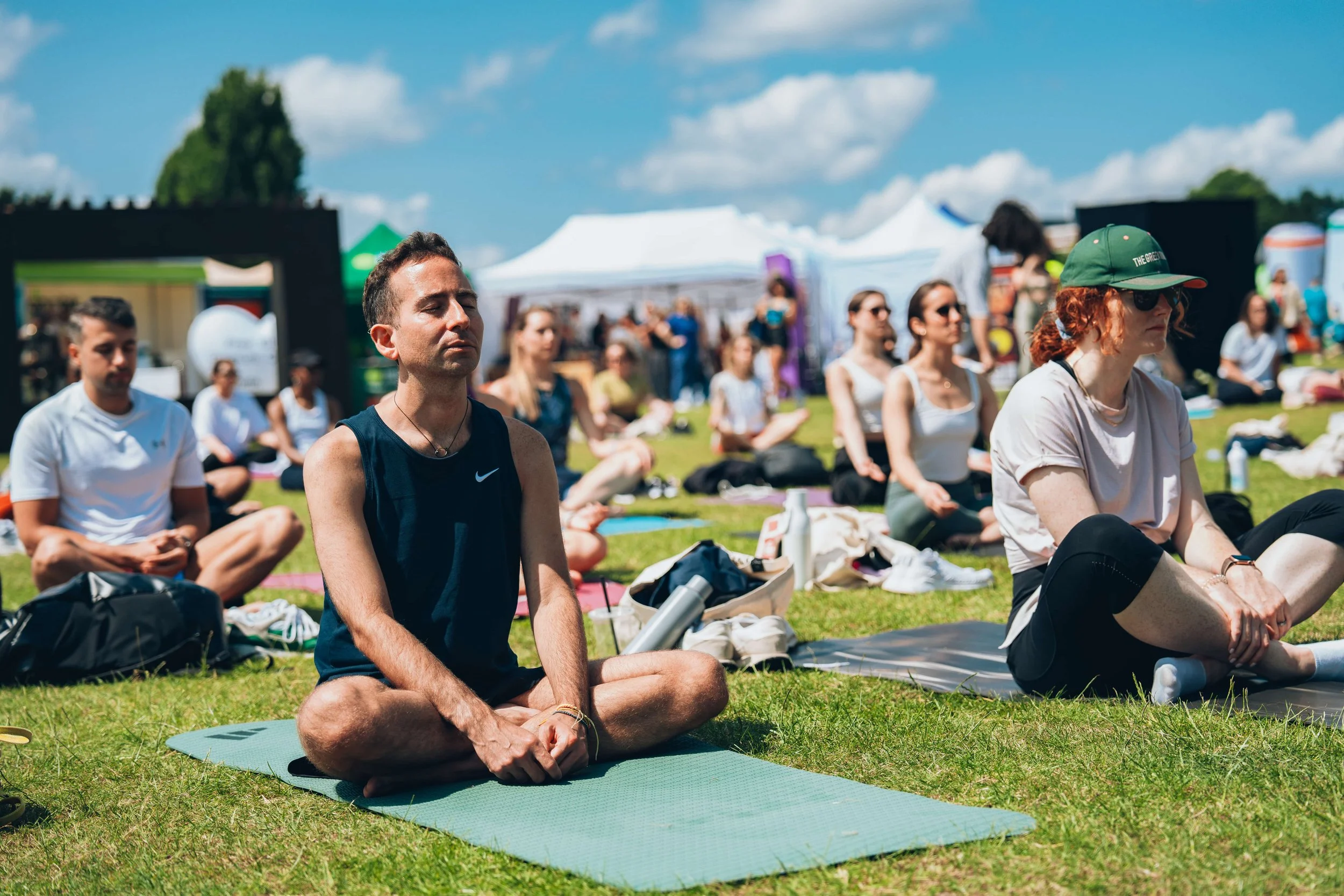
Hosted in Wimbledon Park, this two-day festival shows that slowing down can be restorative and exciting. You can choose from physical activity like high-energy fitness or calming sound healing and breathwork. Spend your day relaxing with friends while enjoying live DJs, reggae music and delicious food.
Addressing burnout recovery does not have to be a solitary process. The festival offers expert talks that provide practical wisdom to help you understand your burnout. These sessions offer actionable strategies that help you manage your health in your everyday life without using confusing jargon.
It is vital for your health to have good relationships where you can share your hopes and fears. Meeting people who share similar wellness goals creates a supportive community atmosphere where you can feel heard. This social connection is essential for building the resilience you need to face life’s challenges.
Investing in movement is a great way to boost your mood and support your mental health. Whether it is yoga or dancing to live music, every activity helps reset your nervous system. Overcoming burnout involves joy and movement alongside friends and people who support your journey back to yourself.
Ready to turn your next weekend into something that restores your energy? Discover what Wellnergy has to offer and experience a festival where movement, music, and meaningful connection come together to support your wellbeing.